
Slowly, We Go Further
 Pastor Jason
 Hope is not a quick fix or a fleeting feeling, but a slow, steady work of God in the midst of our valleys. Life often brings us to places where everything feels worn down, scattered, or lifeless—places where we wonder if anything good can come again. The story of Ezekiel and the valley of dry bones reminds us that God is not afraid of our lowest moments. God meets us right in the middle of our despair, not on the mountaintop, but in the valley, and asks us the honest question: “Can these bones live?” Sometimes, all we can answer is, “Lord, you know.” That answer, honest and unvarnished, is enough for God to begin the work of restoration.
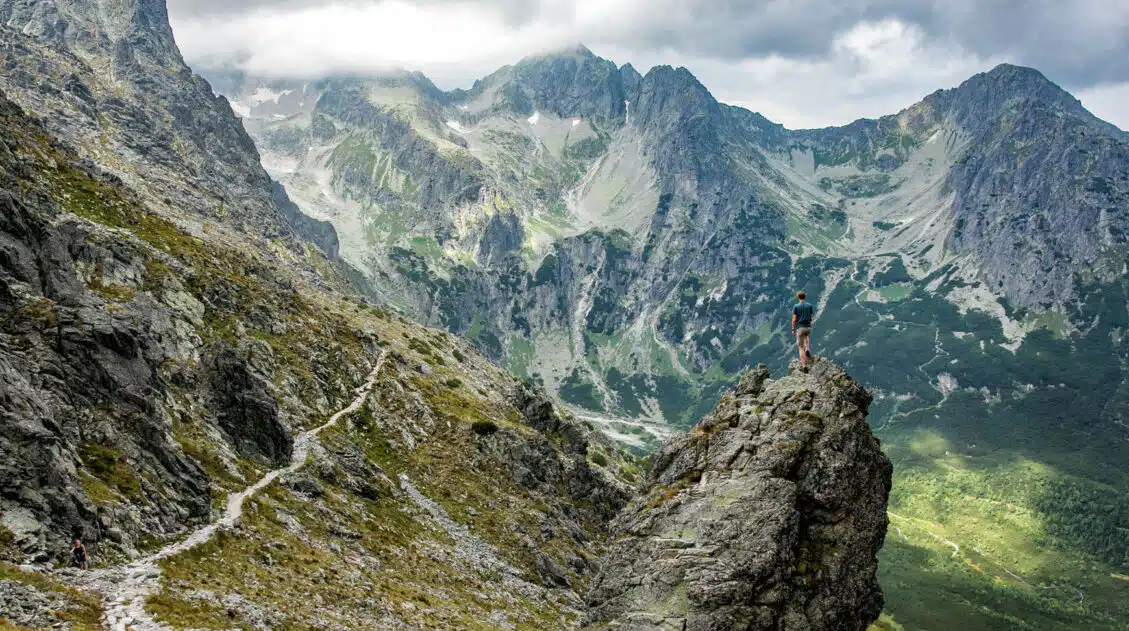
The history of the Slovak people, with centuries of oppression and repeated need to start over, offers a living example of hope that endures not by instant miracles, but by slow, persistent faithfulness. Their saying, “slowly we go further,” captures the truth that hope is not about grand gestures or immediate results, but about taking the next step, making the next good decision, and trusting that God is at work even when we cannot see it. In our own lives, whether we are facing personal loss, broken relationships, or the slow erosion of dreams, we are invited to speak God’s word into what seems dead, to call on the Spirit, and to participate in the process of resurrection.
God’s restoration is not just for individuals, but for communities, families, and even nations. The Spirit comes not only to revive us, but to gather us together, to make us whole as a people. Resurrection is a process—bone by bone, breath by breath, step by step. We are called to do our part: to speak, to act, to hope, and to wait on the Spirit. Even when progress is slow, God is faithful. Our valleys are not our end. With God, even the driest bones can live again.
Key Scriptures
Ezekiel 37:1-14
Key Takeaways
– God meets us in our valleys, not just on our mountaintops. The presence of God is not reserved for our best moments, but is most profound in our places of loss, despair, and brokenness. God is not repelled by our pain or doubt, but draws near to us in our lowest places, inviting us to honest conversation and authentic faith.
– Honest answers open the door to God’s work. When Ezekiel responds, “Lord, you know,” he models a faith that does not pretend or perform, but simply trusts God with what is beyond understanding. Sometimes, the most faithful thing we can do is to admit our uncertainty and let God’s wisdom and power fill the gap.
– Restoration is a process, not an instant event. The bones in Ezekiel’s vision come together gradually—first bone, then flesh, then breath. Likewise, in our lives and communities, healing and renewal often unfold slowly, requiring patience, perseverance, and trust in God’s timing. Resurrection takes time, whether three days or three hundred years.
– Hope is found in small, faithful steps. The Slovak saying, “slowly we go further,” teaches us that hope is not about dramatic change, but about daily faithfulness—making the next right choice, showing up for others, and persisting even when results are not immediate. God honors the quiet endurance of those who keep going, bone by bone, step by step.
– We are invited to participate in God’s work of resurrection. God calls us to speak to the bones, to call on the Spirit, and to act in faith even when it seems pointless. Our prayers, our service, our willingness to reach out and love others are all part of the process by which God brings new life to what seems dead. Resurrection is God’s work, but it also requires our response and participation.
Questions for Reflection
The sermon says God meets us in our valleys, not just on our mountaintops. Can you think of a time when you felt God’s presence most strongly during a hard season? What did that look like for you?
Sometimes the most honest answer we can give God is, “Lord, you know.” Is there an area in your life right now where you feel uncertain or worn down? How might you bring that honestly to God this week?
The process of restoration in Ezekiel’s vision happens bone by bone, breath by breath. Is there a part of your life, family, or community that feels like it’s “in process” and not yet whole? What is one small step you could take this week to participate in God’s work of restoration?
The Slovak saying, “slowly we go further,” reminds us that hope is about small, faithful steps. In the midst of some difficult situation that you may be experiencing, what is one “next right thing” you can do this week, even if you don’t see immediate results?
God invites Ezekiel to speak to the bones and to call on the Spirit. In your own life, what does it look like to “speak hope” or “call on the Spirit” in situations that seem lifeless or hopeless?
Recommended Posts
Read the Instructions: Obedience Begins with Listening
February 3, 2026
God Gave Them Up
January 27, 2026
One Gospel, One Family
January 26, 2026