
Who Do You Fear?
 Pastor Jason
 Exodus 1 gives us a sobering picture of what fear can do when it is left unchecked. A new king rises in Egypt who does not remember Joseph. The people who once could have been seen as neighbors and blessings are now seen as a threat. What begins as “practical” thinking quickly hardens into oppression, and then into violence. This story helps us see how easily fear can sound wise while quietly turning human beings into problems to be managed.
That is why this passage matters for us. Fear does not simply react to difference; fear writes a story about difference. It imagines the worst. It gathers suspicion. It builds strategies and systems around that suspicion. And often, we do not recognize fear for what it is because it sounds like caution, wisdom, or common sense.
Of course, wisdom matters. Boundaries matter. Safety matters. We live in a world where real wounds happen, and love does not require us to ignore danger or pretend every difference is good. But Exodus asks us to examine our fear honestly. Is fear helping us love wisely, or is fear teaching us to see another person as a threat before we ever know their story?
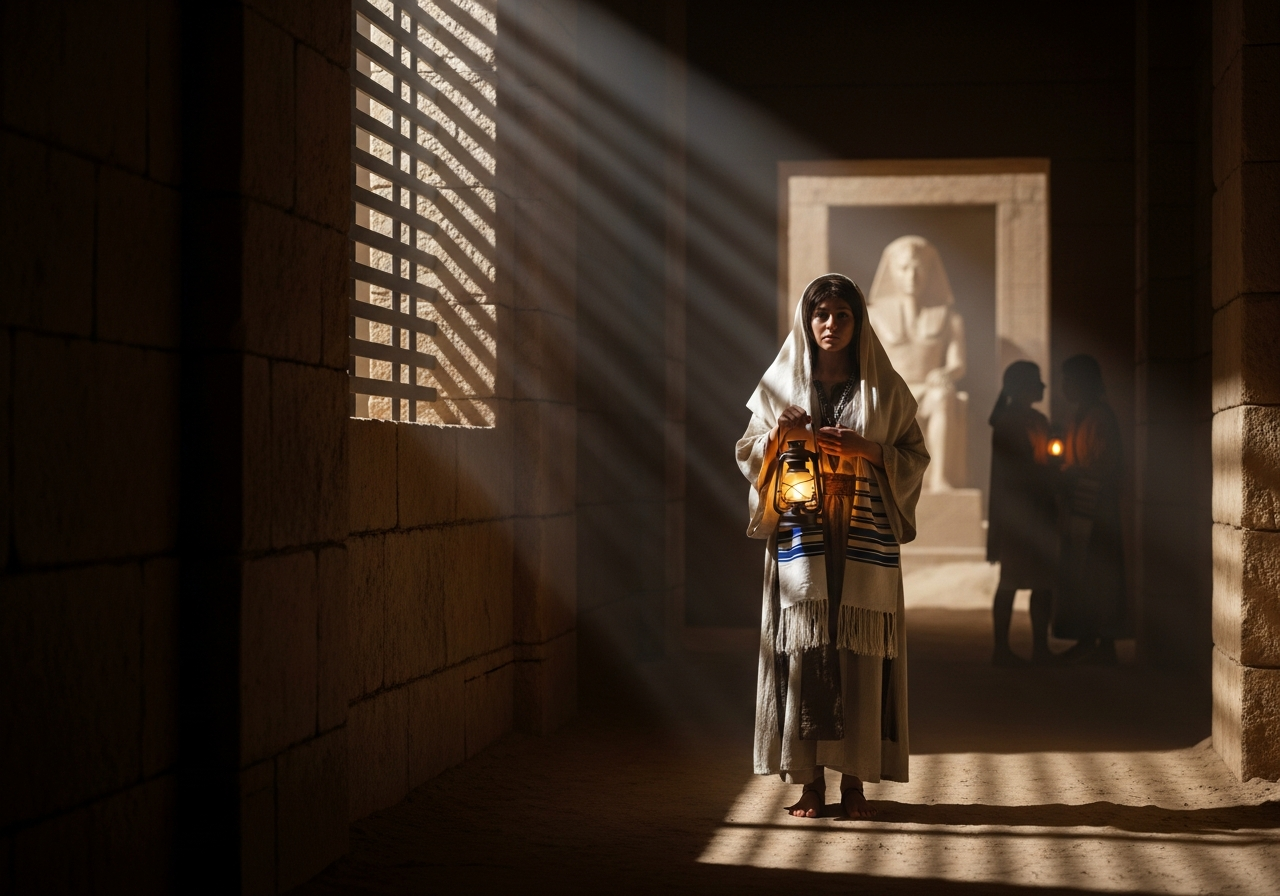
Pharaoh fears difference, and his fear leads to control, oppression, and death. But Shiphrah and Puah show us another way. They fear God more than they fear Pharaoh. That kind of fear is not panic before God or terror of God. It is reverence, allegiance, and trust — the kind of holy fear that lets God’s love become larger than Pharaoh’s threats.
Because Shiphrah and Puah fear God, they refuse to let Pharaoh’s fear become their fear. They let the children live. Their quiet courage becomes part of God’s larger work of deliverance, a small act of faithful resistance that makes room for life.
So the question Exodus leaves with us is not only, “What are we afraid of?” but “Who are we afraid of?” Do we fear difference, or do we fear God? Because what we fear shapes how we treat one another.
When fear gets hold of us, difference becomes division. Suspicion creates distance. Contempt destroys community. But when we fear God rightly, humility can take hold of us. Love can take hold of us. Curiosity, wisdom, and grace can take hold of us. And difference can become something we meet not with naivety, but with courage, honesty, hospitality, and love.
Difference is not our enemy. Fear is not our Lord. Christ is our Lord. And like Shiphrah and Puah, we are called to fear God, love one another, and make room for life.
Key Scriptures
Exodus 1:8-22
Key Takeaways
Fear Can Sound Reasonable Before It Turns Harmful
Pharaoh’s “deal shrewdly” language shows how fear can dress itself up as common sense. What begins as caution can become oppression when fear is allowed to lead.
Reverence for God Reorders Our Loyalties
Shiphrah and Puah feared God more than they feared Pharaoh, and that changed what they were willing to do. Holy fear is not panic; it is reverence, trust, and allegiance that steadies us when fear of difference tries to claim our conscience.
Difference Is Not the Same as Danger
The problem in Exodus 1 is not that Israel is different. The problem is that Pharaoh’s fear turns difference into a threat. When God is feared, difference can be approached with humility rather than suspicion.
Quiet Faithfulness Can Resist Fear’s Story
The midwives did not stage a public rebellion. They simply refused to let Pharaoh’s fear become their own, and that quiet obedience became part of God’s saving work.
Hospitality Needs Wisdom, Not Naivety
The sermon holds together Abraham’s welcome and Exodus’s warning. We are called to receive others with dignity while also practicing discernment, so that love is guided by wisdom rather than by fear.
Questions for Reflection
Where do you see fear (of difference) trying to sound like wisdom in your own life or in the life of our community?
What helps you tell the difference between careful discernment and fear-driven reaction?
Shiphrah and Puah feared God more than Pharaoh. What would that kind of holy fear look like in a hard situation you are facing now?
Are there people or groups you have begun to treat as a problem instead of as neighbors made in God’s image? How might both God’s love and God’s wisdom help you treat them like Christ?
Where might you need to practice hospitality, and where might you need to set a wiser boundary?
Where might God be inviting you to pause, listen, and hear someone’s actual story before fear tells you who they are?
Recommended Posts

Deliver Us: Footprints on the Sand
October 13, 2026
Deliver Us: Simcha Chagiga
October 7, 2026
Deliver Us: Never in a Million Years
September 28, 2026