
Falling & Being Held
 Pastor Jason
 This week, we continued our Lenten series Falling by asking a difficult but deeply human question: What happens when we can no longer hold ourselves up?
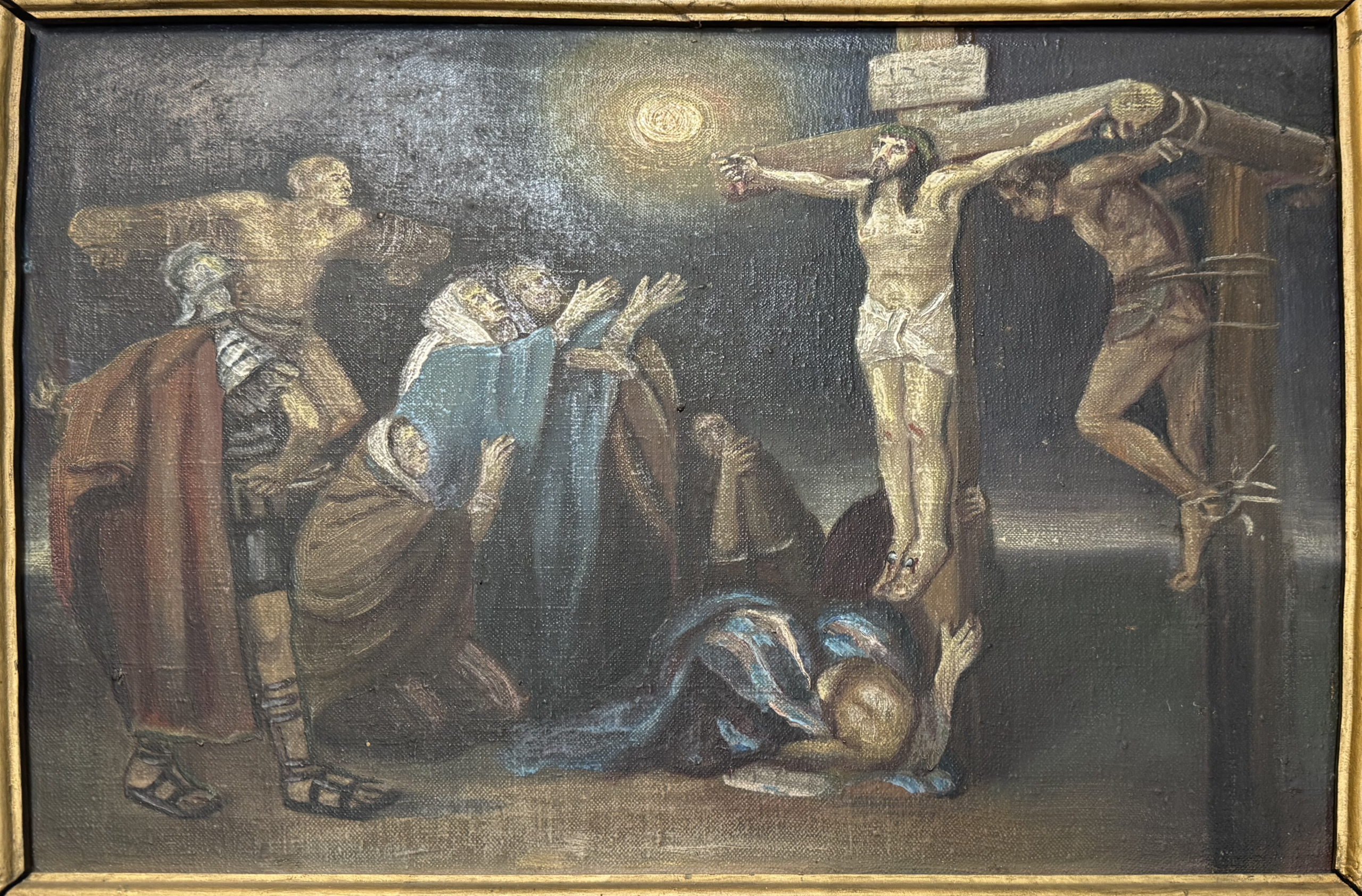
Psalm 145 tells us that “the Lord upholds all who are falling,” and this week we finally began to see what that looks like. We stood at the cross—not just at the moment of Jesus’ death, but in what follows. As his body is taken down, something shifts. The one who carried the weight can no longer carry anything. Jesus is no longer holding himself up. He is being held.
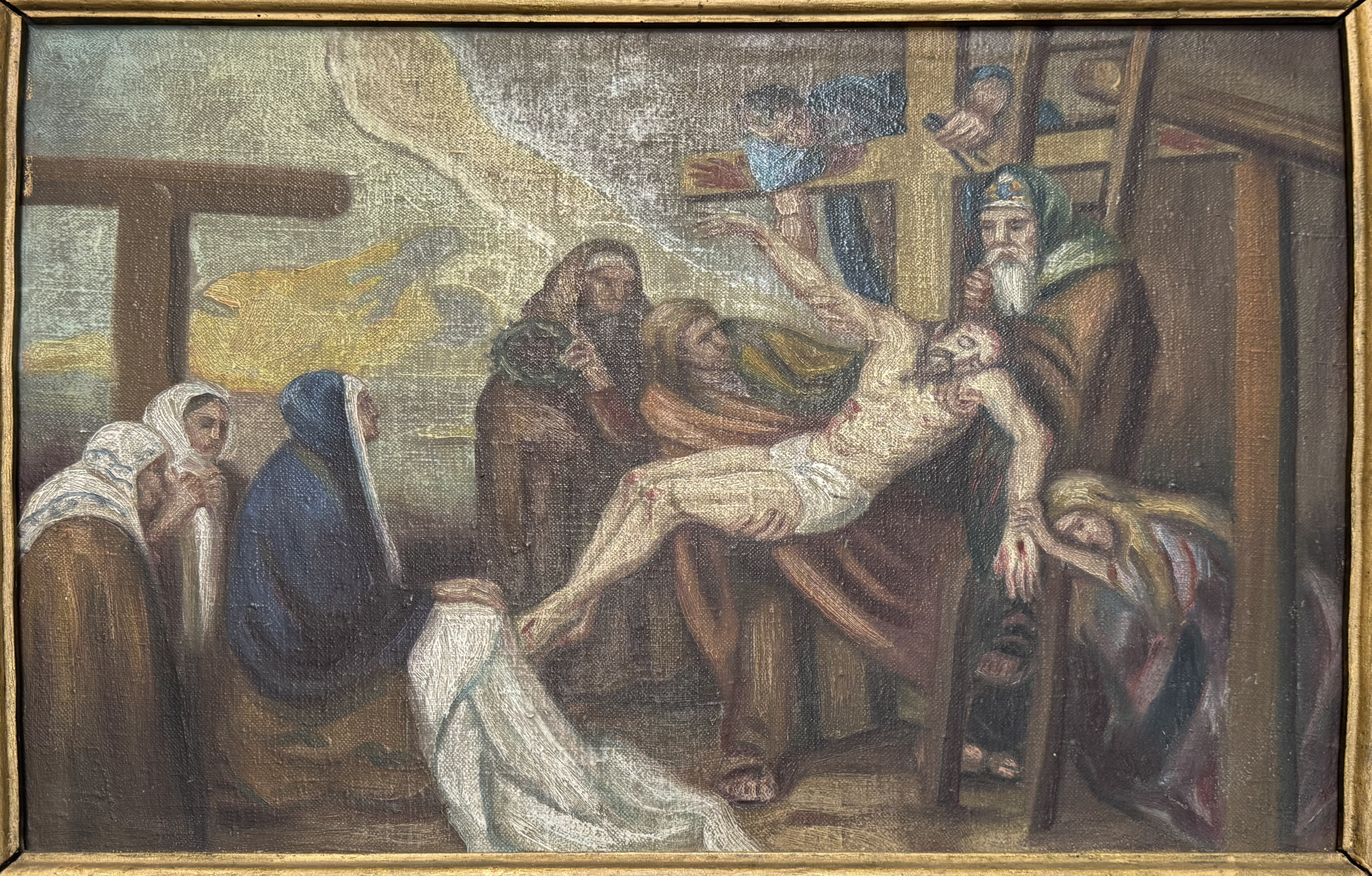
In the Stations of the Cross we reflected on, hands reach toward Jesus—first unable to catch him, then finally lifting, lowering, and carrying him together. Grief is not hidden. It is shared. And in that shared grief, we begin to see something important: God does not always uphold us by removing the weight or stopping the fall. Often, God upholds us by placing us in the hands of others.
That’s not always easy for us to accept. Most of us are comfortable helping, serving, and carrying others. But being held—being dependent, vulnerable, and unable to do it on our own—that’s much harder. And yet, this is a truth we cannot avoid. At some point in life, and certainly at the end of it, we will all reach a place where we cannot hold ourselves up. Others will carry us. And part of what it means to live faithfully is learning to trust those hands.
This is not weakness. It is part of the way God has designed us to live together.
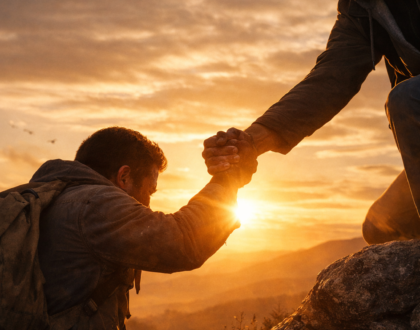
Even in the shadow of the cross (from the image above), there is a quiet hint of hope. The sky in the image is not fully dark. Light begins to break through. Not resurrection yet—but not the end either. Because when people draw near, when hands reach out, when love refuses to step back—the light begins to return.
Even the Table of Grace reminds us of these truths: we do not come to the table because we are strong, but because we are held. Communion is a place where we receive what we cannot give ourselves, and where we are reminded that God meets us—again and again—through presence, through people, and through grace.
Key Scriptures
Psalm 145:14
Luke 23:44–49
John 19:38–40
Key Takeaways From Sunday’s Message
1. The Lord upholds those who are falling
God doesn’t always show up by removing the pain or stopping the fall. Often, God shows up through people—through presence, through care, through hands that reach and stay. We begin to see that God’s help is not distant, but close enough to touch.
2. Jesus’ final fall is not faced alone
At the cross, Jesus is no longer carrying the weight—he is being carried. The one who held others now depends on others. And in that moment, we see something powerful: being held is not failure—it is part of how God works in the world.
3. Learning to be held is part of faith
Many of us are comfortable helping others, but struggle to receive help ourselves. Yet part of life—and part of faith—is learning to trust others to carry us when we cannot carry ourselves. This is not weakness. It is how we were made to live together.
4. The table reminds us we are held
When we come to communion, we don’t come because we are strong—we come because we need grace. The table is a place where we receive what we cannot give ourselves, and where we are reminded that we are not alone. Here, we are fed, we are welcomed, and we are held.
Questions for Reflection
Why might the Gospel writers include such detailed accounts of Jesus’ burial, including the specific roles of Joseph and Nicodemus?
How does the image of Jesus being carried and cared for after his death challenge common cultural ideas about strength and self-sufficiency? [36:15]
When was a time you experienced a “fall” where you could no longer hold yourself up—physically, emotionally, or spiritually? What did that feel like? [20:38]
Who in your life might need to be “carried” right now? What is one practical, tangible way you can help bear their weight this week? [37:09]
In what areas of your life do you resist vulnerability or receiving help? How might embracing being held become part of your spiritual journey? [43:43]
What would it look like to reframe moments of weakness not as failure, but as opportunities to experience God’s grace through others? [46:29]
Recommended Posts
BBQ – April 17, 2026 – 11am-2pm
April 7, 2026
Falling Into Vulnerability
March 17, 2026
Not Falling Alone
March 10, 2026