
When Wonderful Isn’t Truthful
 Pastor Jason
 Sunday’s gathering was a sacred time of remembrance, gratitude, and honest reflection. As we observed All Saints Sunday, we honored the lives and legacies of those who have gone before us—family, friends, and pillars of our church community. Their faith continues to shape us, reminding us that the light of Christ shines through the generations, even in seasons of loss and grief. We gave thanks for the saints who taught us, prayed for us, and showed us what it means to love God and neighbor—not just in their strengths, but also in their struggles and imperfections.
We reflected on the truth that none of us, not even the most beloved among us, are perfect. The saints we remembered were real people who faced hardship, made mistakes, and yet received and extended God’s grace. Their honesty about their brokenness made their faith even more beautiful and inspiring. Their lives remind us that the church is not a museum of the flawless, but a family where grace holds us together; a place where we learn to love beyond our comfort, to carry one another, and to be carried ourselves.
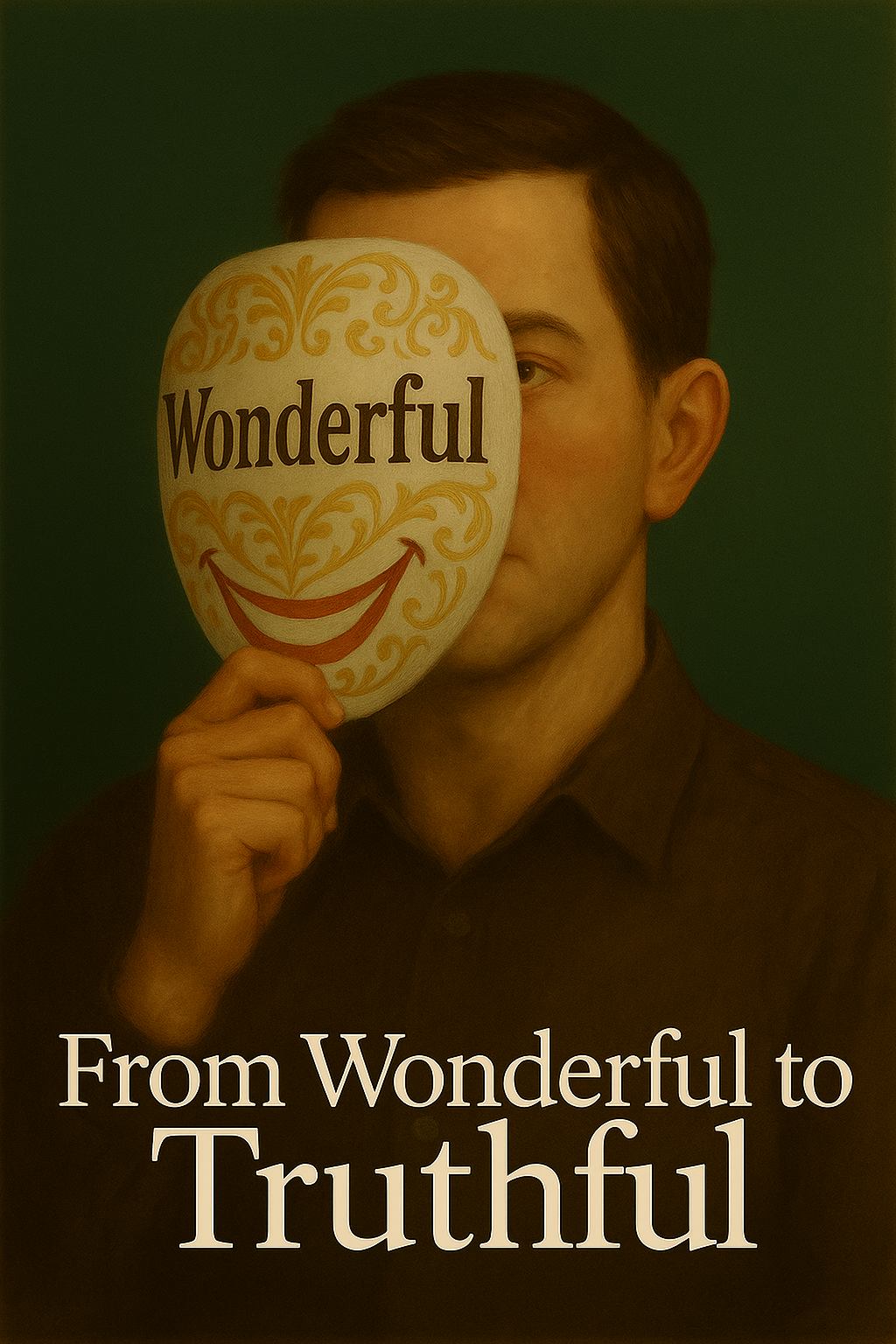
Our sermon, “When Wonderful Isn’t Right,” turned to the story of King David and Bathsheba—a story of power, self-deception, and the lies we tell ourselves to stay in control. Like the Wizard in the song “Wonderful” from Wicked, David convinced himself that his position justified his actions. What he did was what every other king would have done, but God never called His people to live by the world’s standards. We saw how easily deceit can disguise itself as reason, how we use half-truths to protect our image, shape perceptions, and control outcomes. Yet what feels “wonderful” to us can still be wicked in God’s eyes.
In love, God sends us “Nathans”—people and moments of truth that break through our illusions. When the curtain is pulled back, it isn’t to humiliate us but to heal us. David’s prayer becomes our own: “Create in me a clean heart, O God.”Grace does not pretend we never failed; it transforms the failure itself into testimony. The saints we honored this Sunday lived that story too. Their legacy calls us to do the same—to be honest, to drop the masks, to let God’s mercy do its cleansing work, and to trust that grace will always be greater than our brokenness.
As we move through the week ahead, may we walk in the light that the saints have shown us—choosing truth over appearance, honesty over illusion, and grace over guilt. May God create in us clean hearts, steady spirits, and the courage to live not just wonderfully, but faithfully and truthfully.
Key Scriptures
2 Samuel 11–12
Psalm 51:10–12
Psalm 32:2
Key Takeaways
- The Subtlety of Deceit: Deceit rarely appears as obvious evil; it often comes disguised as practicality, self-justification, or even kindness. Like King David, we can convince ourselves that our actions are justified simply because they are accepted or expected, forgetting that God calls us to a higher standard of truth and integrity. [52:22]
- The Gift of Truth-Tellers: We all need “Nathans” in our lives—people who love us enough to speak the truth, even when it hurts. Their courage and honesty are acts of mercy, breaking through our illusions and inviting us into authentic relationship with God and others. [58:04]
- 4. Grace Does Not Deny Our Wickedness, It Transforms Us: God’s grace does not gloss over our failures or invite us to pretend. Instead, it meets us in our brokenness, offering restoration and new beginnings. True peace and healing come not from managing our image, but from surrendering to God’s mercy and allowing truth to set us free. [61:22]
- 5. The Legacy of Authentic Faith: The saints we remember were not perfect; they were real.Their willingness to admit mistakes and receive grace is their greatest testimony. We honor them best by following their example—living honestly, loving deeply, and trusting that God’s love is greater than any mask we could wear. [64:32]
Questions for Reflection
The sermon says that deceit is often subtle and can look like “practicality” or “self-justification.” What are some modern examples of this kind of self-deception?
When was a time you managed your image or tried to control how others saw you, rather than being honest about your struggles? What was the outcome? How might honesty, vulnerability, and authenticity have changed the outcome for good?
Have you ever had a “Nathan” moment—when someone lovingly confronted you with a hard truth? How did you respond, and what did you learn from it?
The sermon says, “God pulls back the curtain not to shame us, but to set us free.” What is one mask or performance you feel pressure to maintain? What would it look like to let it go and trust God’s mercy?
The saints we remember were willing to admit their brokenness and receive grace. Is there something in your life right now that you need to bring honestly before God, asking for a “clean heart”? What’s holding you back?
Recommended Posts

A Glad And Generous Table
September 8, 2026

When The Storms Come
September 1, 2026

Remember the Water
August 25, 2026