
Your Doubt Doesn’t Disqualify You
 Pastor Jason
 This past Sunday, we continued our resurrection series by stepping into the story of Thomas—the disciple who missed the moment.
The other disciples had seen Jesus. They were in the room where it happened! The room where Jesus showed up, spoke peace, and revealed Himself alive. But Thomas wasn’t there. And when they told him what had happened, he didn’t pretend. He didn’t go along with it. He said something honest:
“Unless I see… unless I touch… I will not believe.”
And I don’t think that’s weak faith. I think that’s real faith. Unless is not “No!” It’s not “Never!” It’s not “Nadda!” Unless is invitation.
Thomas isn’t rejecting Jesus—he’s longing for the same encounter the others had. He’s not saying “no”… he’s saying, “I want to experience this for myself.”
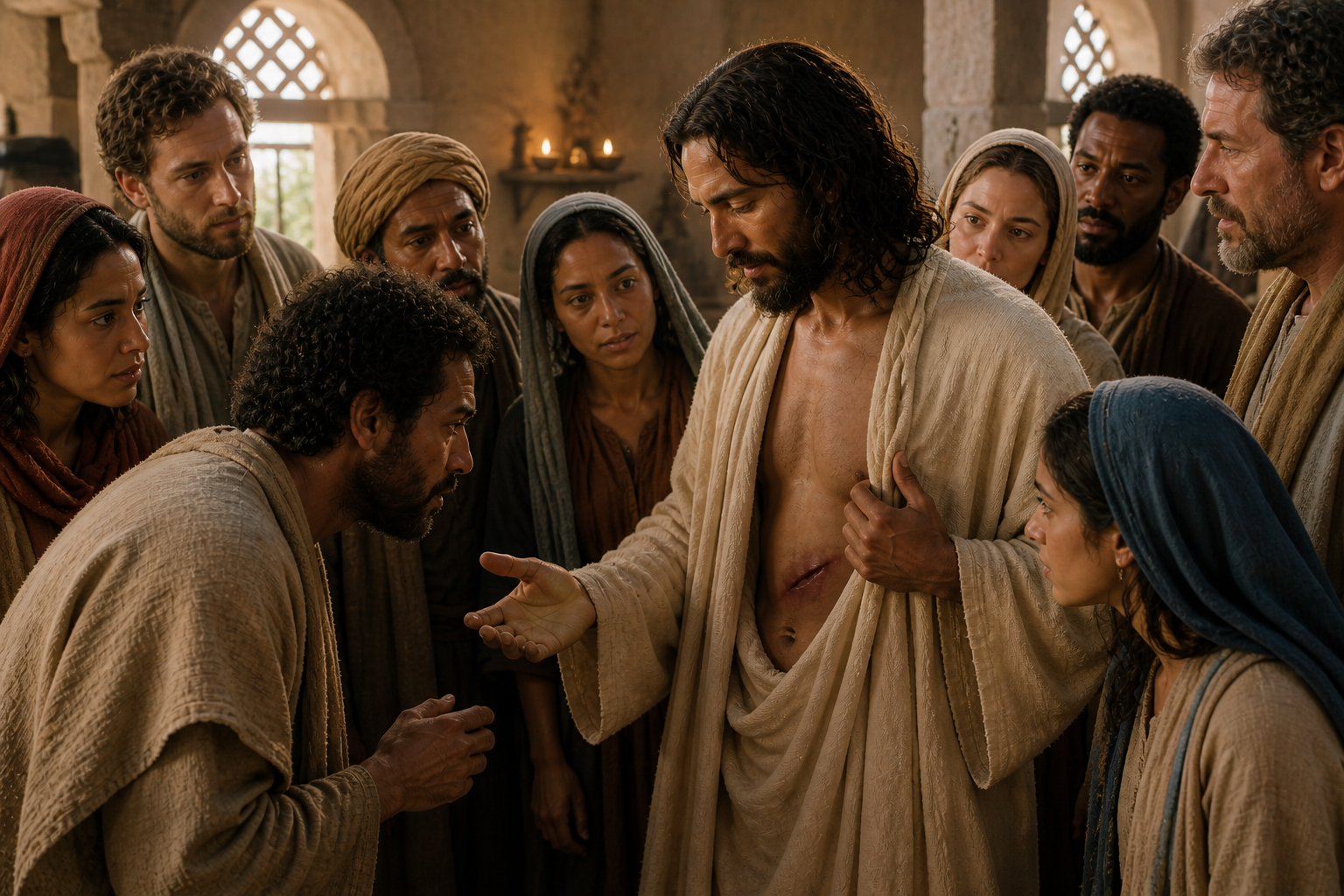
So a week later, Jesus comes back. Same room. Same disciples. But this time, Thomas is there.
And Jesus doesn’t shame Thomas. He doesn’t correct him. He doesn’t ask why he wasn’t there the first time.
Jesus meets Thomas. He invites Thomas closer. He offers Thomas wounds. He speaks peace.
And in that moment, Thomas responds with one of the clearest declarations of faith in the entire gospel:
“My Lord and my God.”
It’s a powerful reminder that doubt is not the end of faith. Sometimes, it’s the place where faith becomes real—where it moves from secondhand stories to personal encounter.
We also noticed something important in the text: Jesus meets Thomas in the wounds. The very place Thomas struggled is the place Jesus reveals Himself. That tells us something about how God works in our lives. The places where we wrestle, question, or even hurt are not places God avoids—they are often the very places God shows up.
And that’s good news for all of us. Because many of us know what it feels like to miss the moment, to wonder if everyone else has something with God that we don’t, to carry questions we don’t always say out loud.
This story reminds us that Jesus is not done with us in those moments.
He comes back.
He meets us where we are. He speaks peace into our questions.
And He invites us into something real.
Because He lives, we are not disqualified by our doubts.
Key Scriptures
John 20:24-29
Key Takeaways
You don’t have to pretend your way through faith
Thomas didn’t fake it—and you don’t have to either. Honest questions don’t push Jesus away. They often draw Him closer.
If you missed the moment, Jesus comes back
Thomas wasn’t there the first time—but Jesus returned for him. And He still does that. You are not left out, and you are never too late.
Jesus meets us in the places we struggle
Thomas wanted to touch the wounds—and that’s exactly where Jesus met him. The places where we wrestle, question, or hurt are often the places where God shows up most clearly.
Faith becomes real through encounter
It’s one thing to hear someone else’s story. It’s another thing to experience Jesus for yourself. Faith deepens when it becomes personal.
Because He lives, doubt is not the end of the story
Doubt doesn’t disqualify you—it can actually be part of how your faith grows. Jesus meets us there and leads us forward.
Questions for Reflections
Why do you think Jesus chose to address Thomas’ doubt by inviting him to touch His wounds rather than rebuking him?
he sermon suggests that “absence does not end possibility” and Jesus “comes back for those who missed the first moment.” How does this reshape our understanding of God’s patience with doubt or delayed faith?
This week’s message suggests that Jesus’ scars were a “meeting place” for Thomas. How does this challenge common assumptions about the role of pain or wounds in spiritual growth?
The sermon claims “faith thrives on encounter, not convincing argument.” How does this contrast with cultural approaches to defending or explaining faith?
When have you felt like you “missed the moment” others experienced with God? How might Jesus’ response to Thomas encourage you in that situation?
Where in your life do you need to stop pretending faith and instead honestly name your doubts or wounds to God?
The sermon says, “Doubt often signals desire for a deeper experience.” How could you lean into your current questions or uncertainties as an invitation to seek God more intentionally?
Think of a time when your own scars (emotional, physical, or spiritual) became a place where you sensed God’s presence. How might that experience help you minister to others in their pain?
Recommended Posts

Deliver Us: Footprints on the Sand
October 13, 2026

Deliver Us: Simcha Chagiga
October 7, 2026
Deliver Us: Never in a Million Years
September 28, 2026